


Some error occured while loading the Quick View. Please close the Quick View and try reloading the page.
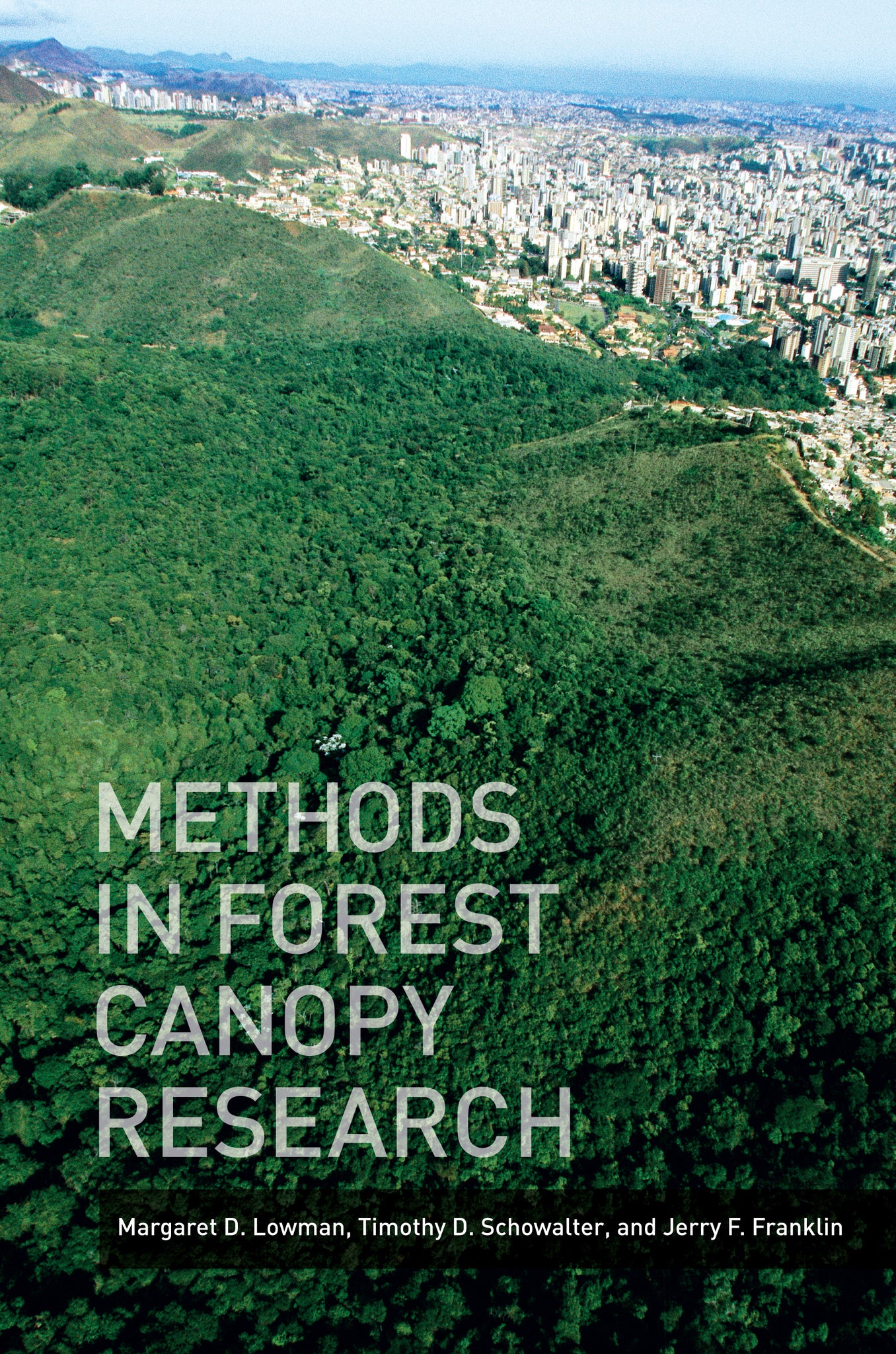
Poised between soil and sky, forest canopies represent a critical point of exchange between the atmosphere and the earth, yet until recently, they remained a largely unexplored frontier. For a long time, problems with access and the lack of tools and methods suitable for monitoring these complex bioscapes made canopy analysis extremely difficult. Fortunately, canopy research has advanced dramatically in recent decades. Methods in Forest Canopy Research is a comprehensive overview of these developments for explorers of this astonishing environment. The authors describe methods for reaching the canopy and the best ways to measure how the canopy, atmosphere, and forest floor interact. They address how to replicate experiments in challenging environments and lay the groundwork for creating standardized measurements in the canopy—essential tools for for understanding our changing world.

Price: $100.00
Pages: 240
Publisher: University of California Press
Imprint: University of California Press
Publication Date:
26 November 2012
Trim Size: 10.00 X 7.00 in
ISBN: 9780520273719
Format: Hardcover
BISACs:
"A highly readable account of the frontiers of biological discovery. . . . It will make you look up at the trees with fresh wonder."
Margaret D. Lowman is Director of the Nature Research Center at the North Carolina Museum of Natural Sciences and Research Professor at North Carolina State University.
Timothy Schowalter is Professor and Department Head in the Department of Entomology at Louisiana State University Agricultural Center.
Jerry F. Franklin is Professor of Ecosystem Analysis in the College of Forest Resources at the University of Washington.
Timothy Schowalter is Professor and Department Head in the Department of Entomology at Louisiana State University Agricultural Center.
Jerry F. Franklin is Professor of Ecosystem Analysis in the College of Forest Resources at the University of Washington.
Preface
Chapter 1. Setting the Stage – Canopy Research Emerges as a Component of Forest Science
Chapter 2. Forest Types and Site Characteristics
Chapter 3. Canopy Access Methods: Making It Possible to Accurately and Safely Study the Upper Reaches of Forests
Chapter 4. Forest Structure and Sampling Units
Chapter 5. Canopy Conditions, Biota and Processes
Chapter 6. Canopy-Atmosphere Interactions
Chapter 7. Measuring Canopy-Forest Floor Interactions
Chapter 8. Treetops at Risk? Engaging the Canopy Toolkit in Whole-Forest Conservation
Chapter 9. Conclusions and Recommendations
References
Index